Beginner running
Learn to run with a plan: posture, rhythm, warm-ups and a gradual build that starts where you are, not where a training app assumes you are.
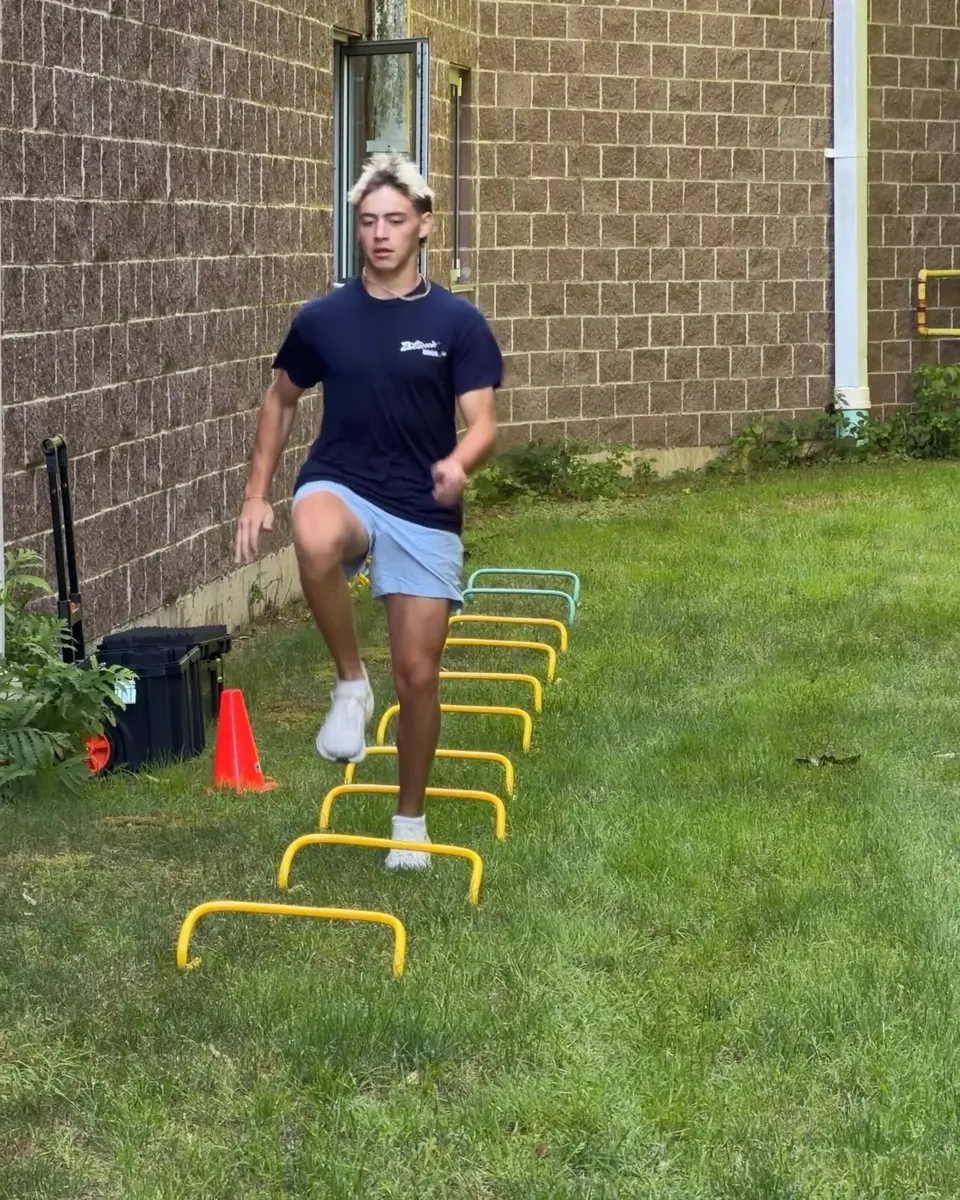
Speed Training • Glastonbury, CT
Coached by a former Division I sprinter and Certified Strength and Conditioning Specialist (CSCS). Whether you are learning to run, coming back to it, or chasing a faster 40 or 100, sessions focus on the mechanics, strength and progressions that make running feel better and get faster.
Running & sprint coaching
Getting moving and reaching top speed are different demands. Timed sprint testing identifies where speed is gained or lost so the plan develops more than a faster test time.
Learn to run with a plan: posture, rhythm, warm-ups and a gradual build that starts where you are, not where a training app assumes you are.
Acceleration, starts and top-speed mechanics for athletes and adults who want to move faster, coached rep by rep.
The strength and plyometric work that supports speed and helps you keep training week after week.
Change of direction
Changing direction starts before the plant. Athletes develop deceleration, body positioning, and footwork to absorb force, redirect, and reaccelerate.
While studying Exercise Science at Sacred Heart University, Kevin competed as a Division I track athlete. Meet the coach.
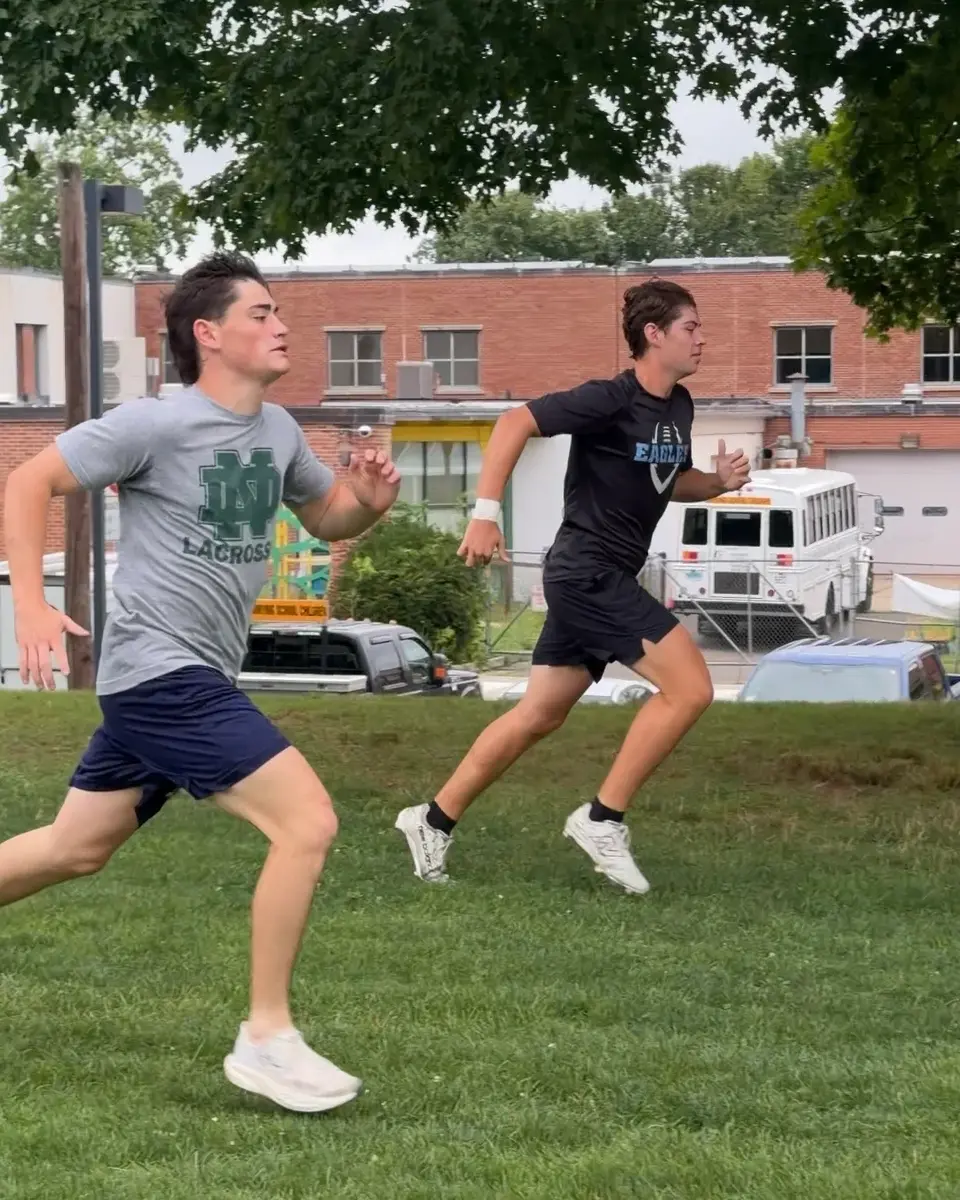
Measured athlete progress
The value of measurement is seeing what changed, what did not, and what the athlete needs to work on next—not collecting the best-looking percentage.
Training addressed strength, speed, and power while preparing for college athletics.
Acceleration became the next training priority. Measurement should direct the work, not just advertise the wins.
Training addressed mechanics, a nagging hip, strength, and speed before college competition.
She secured a college roster spot, started as a freshman, and continues to train and compete.
Individual outcomes vary. Results shown use reconciled training records and matched comparisons. See all athlete results.
Speed training interest
Share who is training, what they are preparing for, and what needs attention. The first recommendation will be specific.