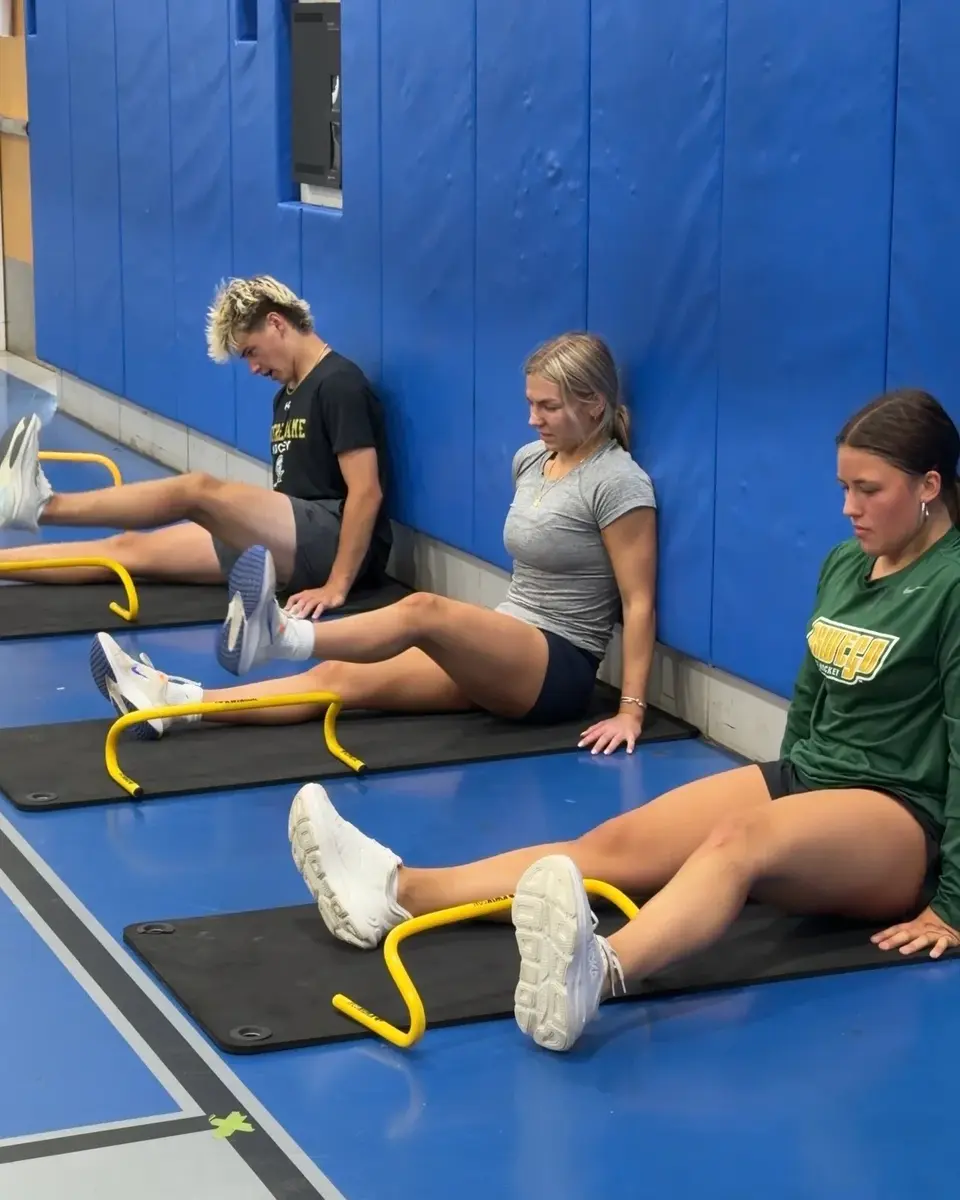
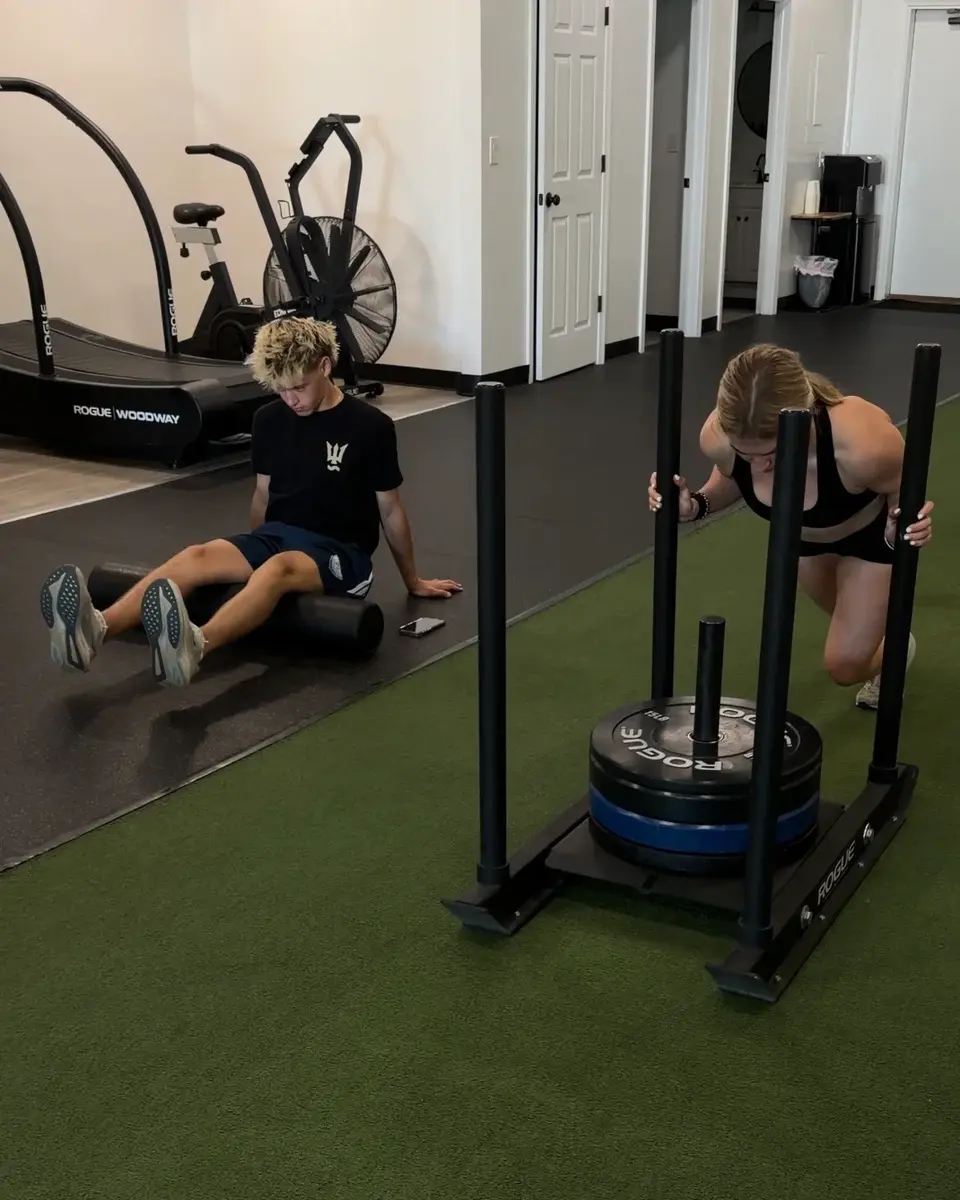
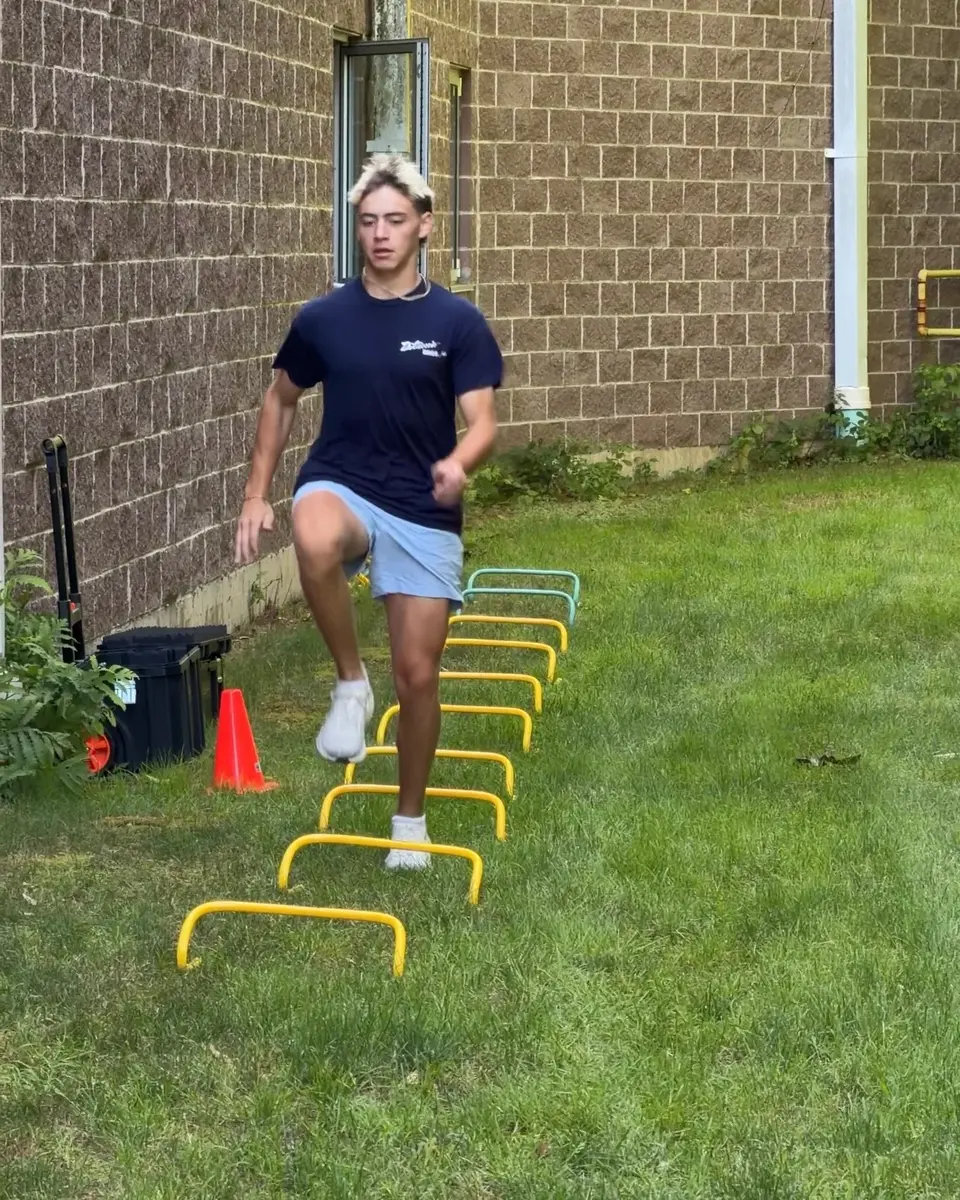
Training the Whole Athlete
Strength, speed, power, movement, conditioning, practice demands, and injury history belong to the same plan.
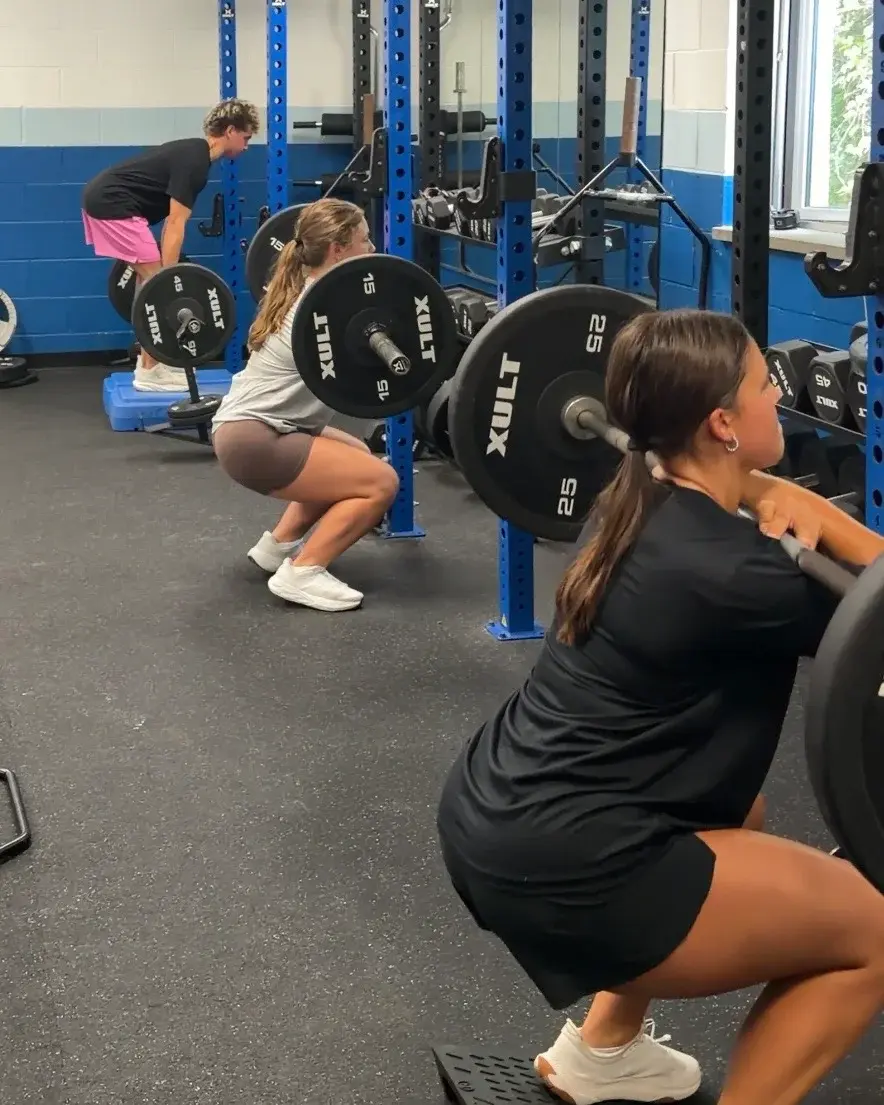
Sports performance facility · Glastonbury, CT
A training system built for high school athletes, college athletes, and adults who still train like athletes. Our membership is designed for high school athletes, with training options for college and adult athletes.
Not sure where to start?
Five quick taps. We match the athlete to the right starting point at WRSP, then a coach follows up with next steps.
Training Match · Step 1 of 6
One athlete. A complete system.
Explore what goes into the work.
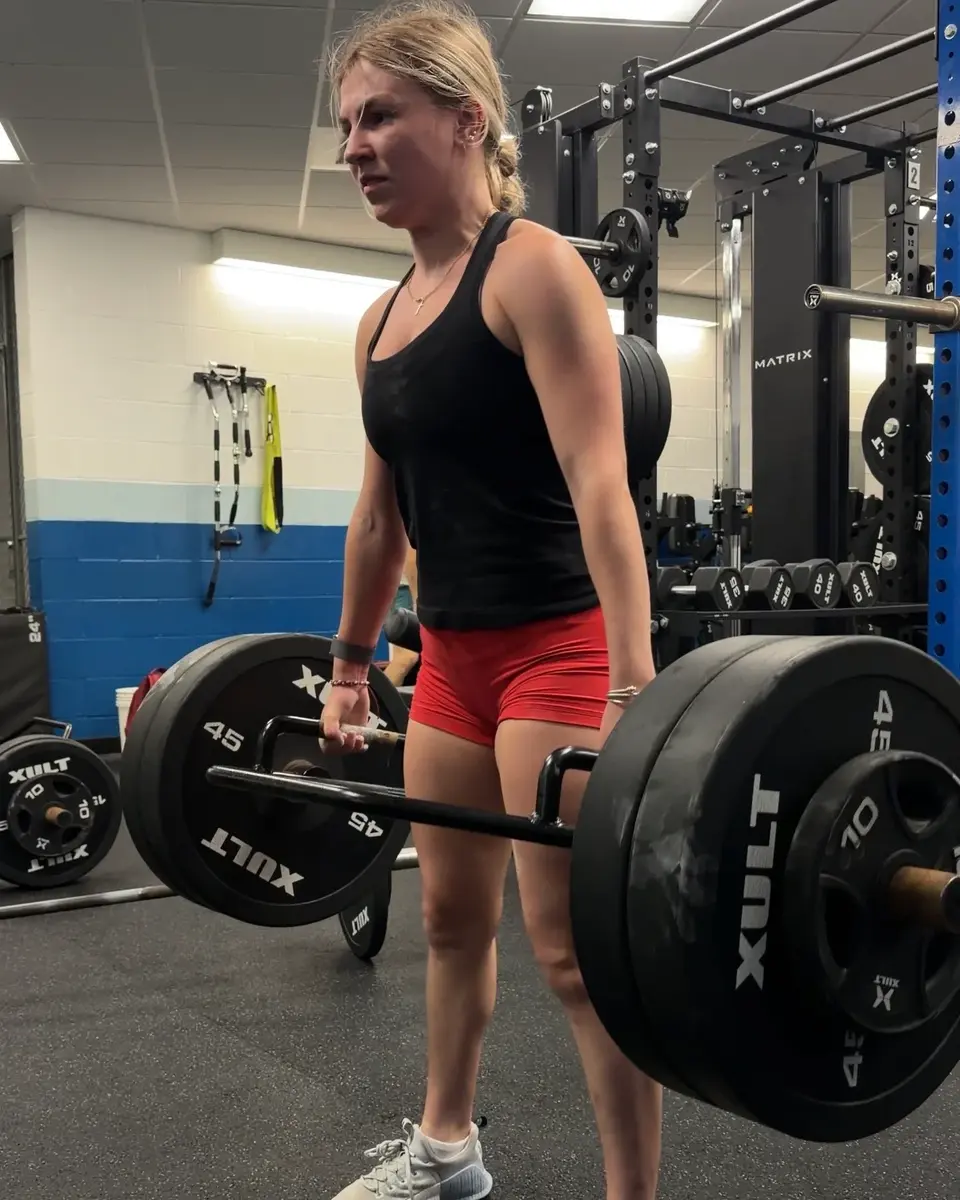
Loads and progressions match the athlete’s sport, season, history, and training age.
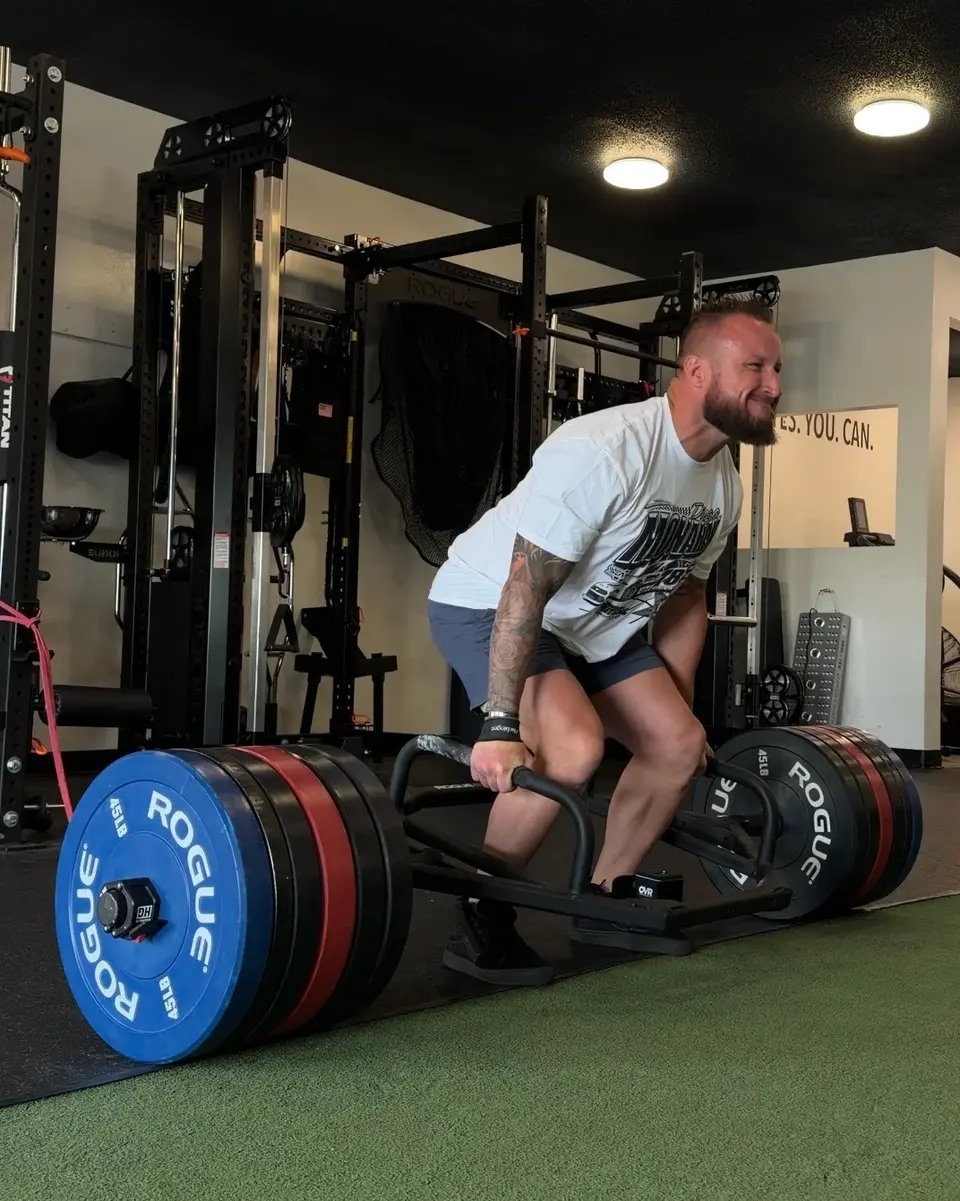
Exercise selection, loads, and progressions are built around the athlete’s experience, sport, and season. Learn to own the positions, then earn the next progression.
The Weight Room standard
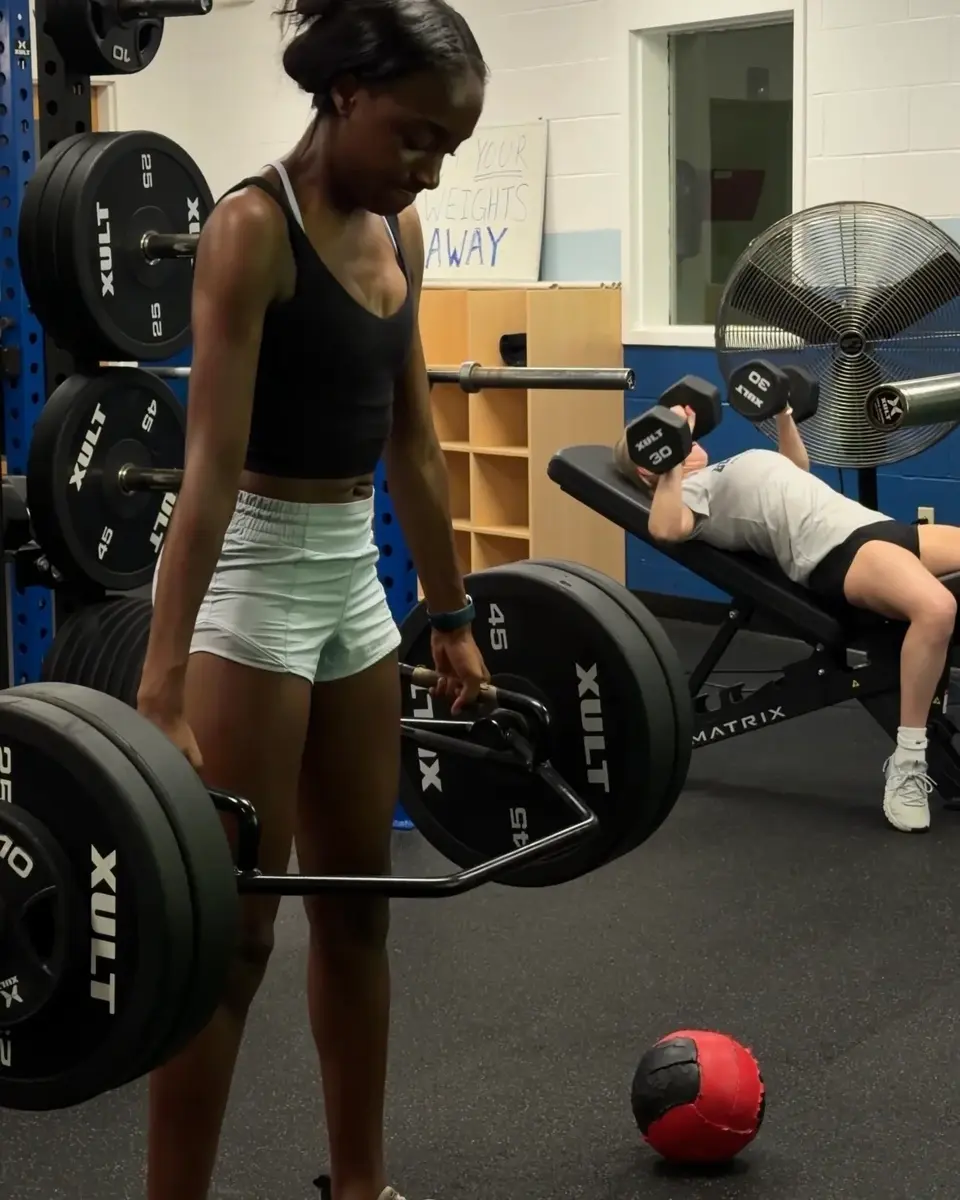
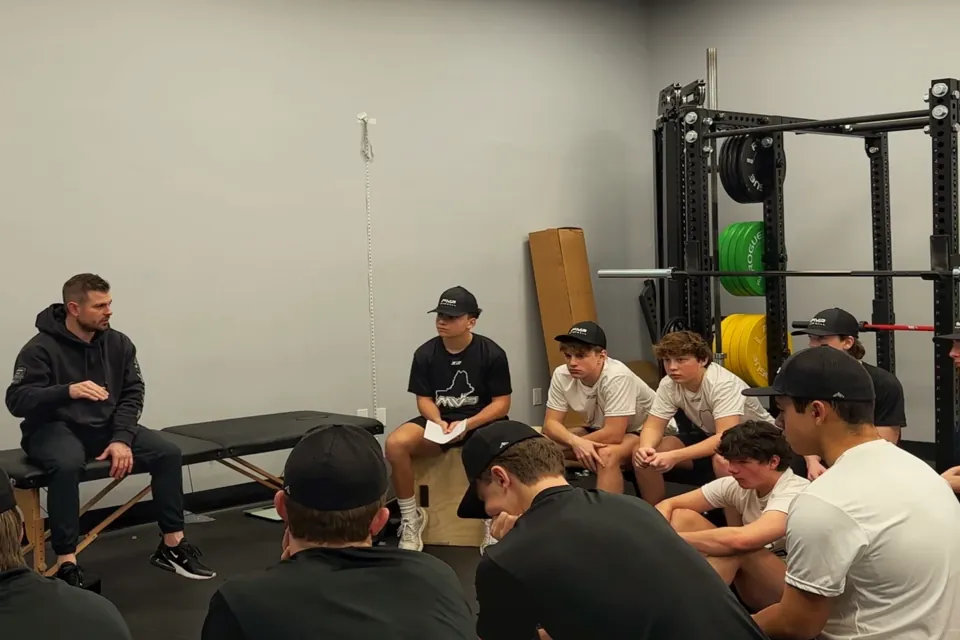
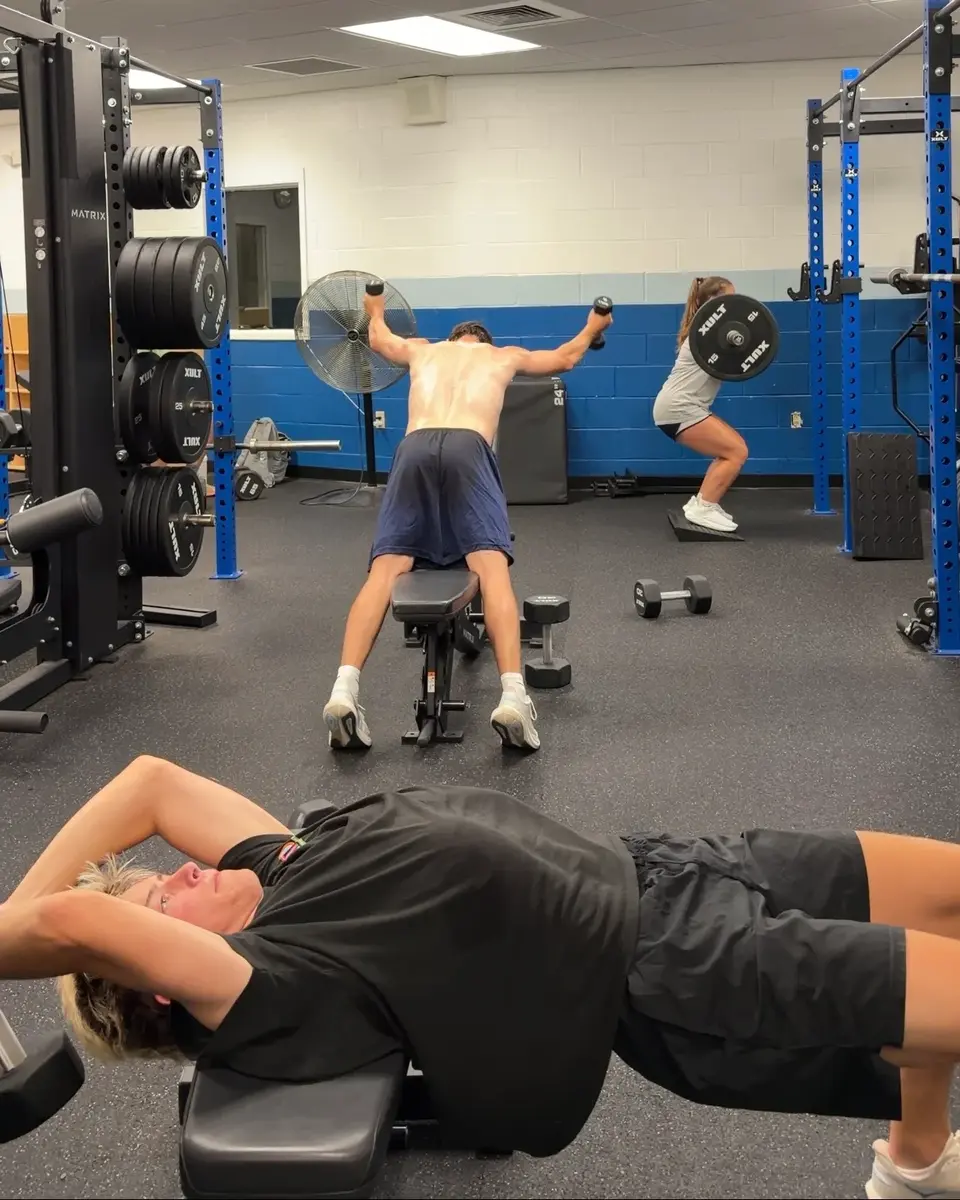
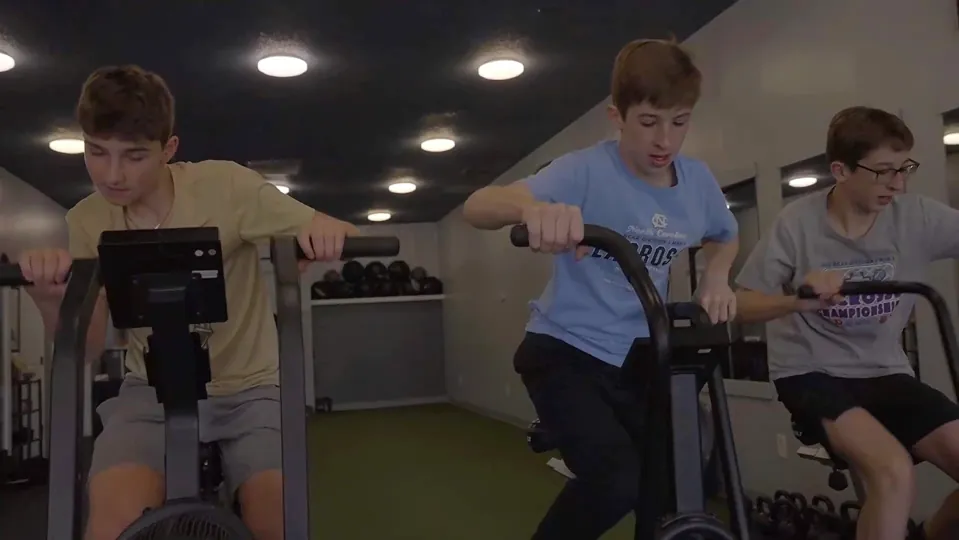
WRSP is a coach-led sports performance gym in Glastonbury, CT: every session is coached, training is by appointment, and there are never more than 8 athletes on the floor.
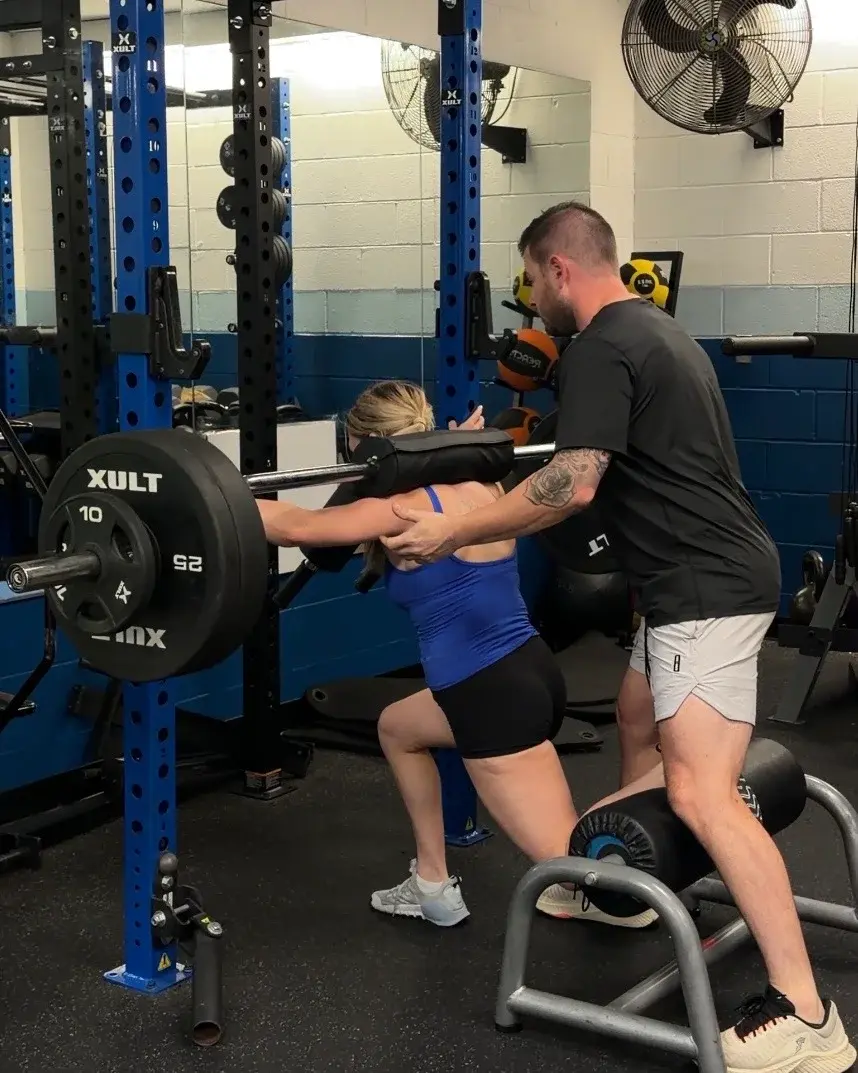
Strength, speed, power, movement, confidence, sport demands, and injury history all affect performance. Weight Room Sports Performance develops them as one system—with clear standards for how athletes train, progress, and compete.
Strength, speed, power, movement, conditioning, practice demands, and injury history belong to the same plan.
Athletes learn what quality work looks like, why it matters, and how to repeat it when nobody needs to chase their effort.
Exercises, loads, and progressions respond to sport, season, history, and development—not a generic calendar.
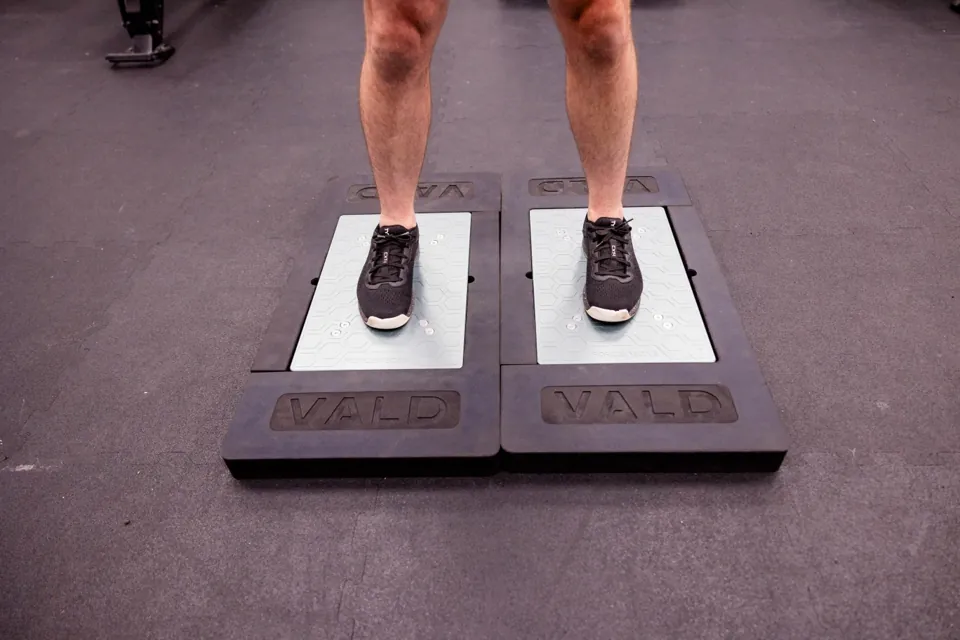
Testing exposes what improved, what stalled, and what becomes the next priority. The result changes the work.
Training options
Different athletes need different coaching environments. The standard of planning, coaching, and attention does not change.
Grades 9–12
Athlete-specific programming, coaching every session, flexible weekly training, and measured progress.
Explore membershipCollege athletes and adults
A focused format for a different schedule, a specific performance need, or a coached return to structured training.
Explore private trainingKnow where to start
Establish a useful baseline, identify priorities, and leave with a clear training direction.
Explore performance evaluationAthletes and adults
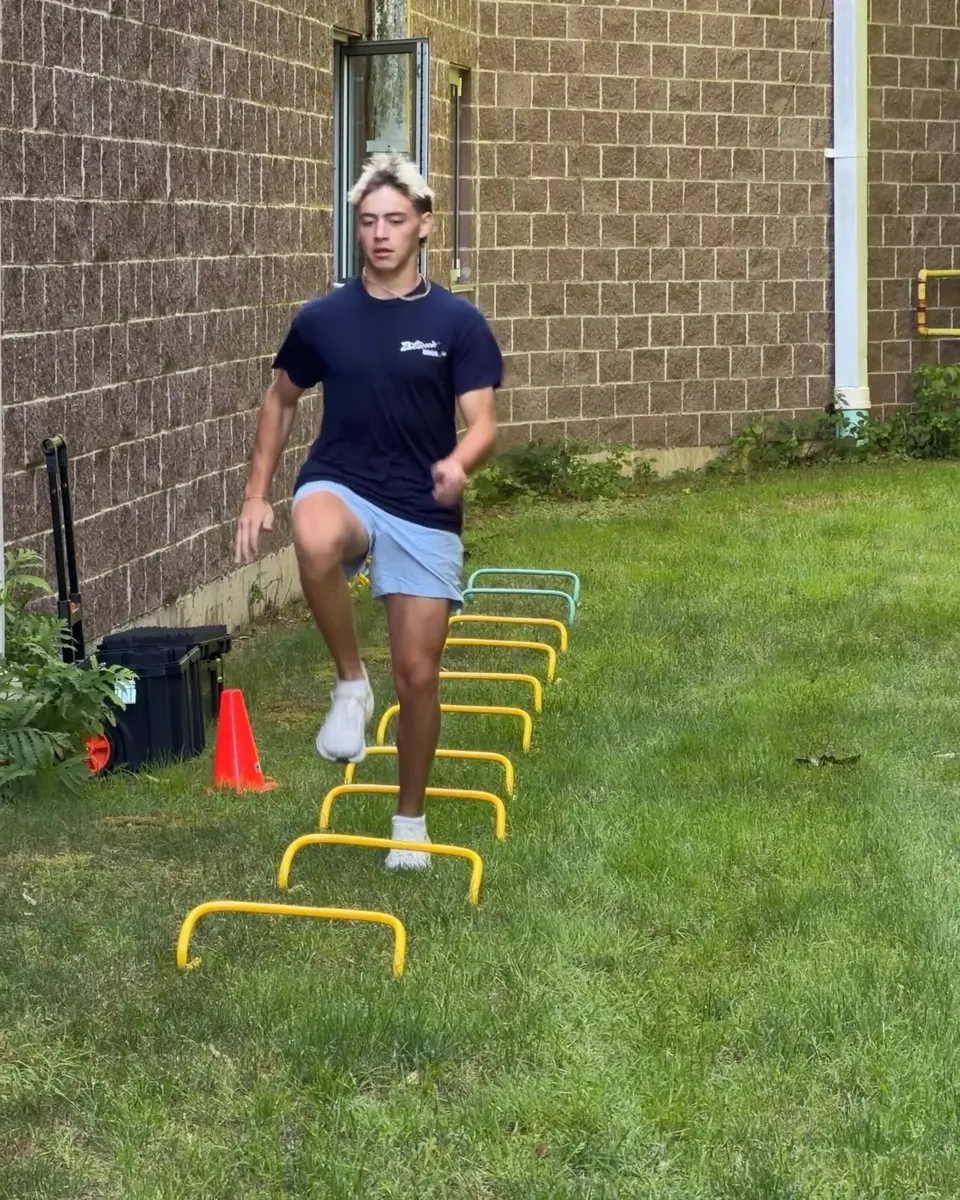
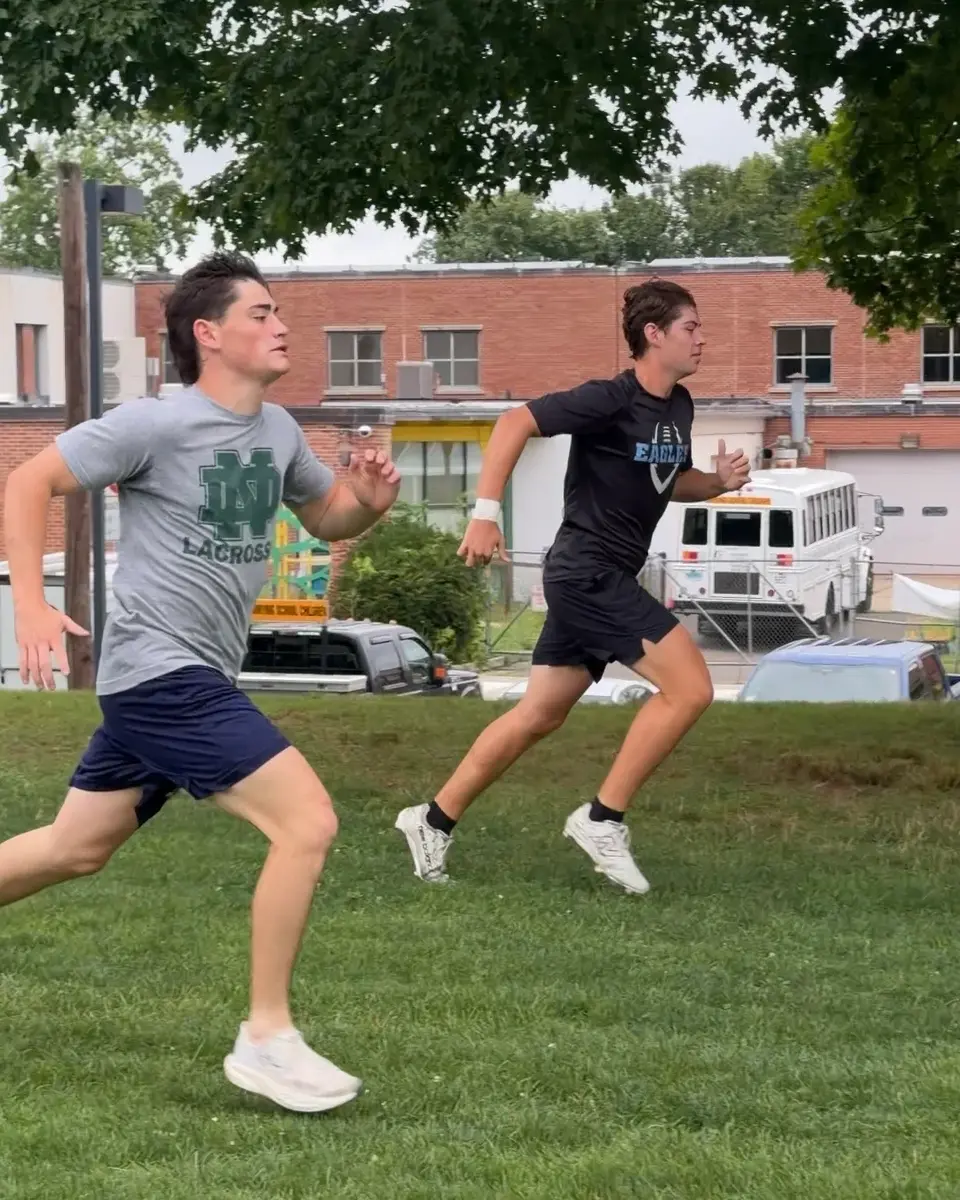
Beginner running and sprint coaching for athletes and adults, coached by a former D1 sprinter and CSCS.
Explore speed trainingSchools, clubs, and facilities
Professional sports-performance systems built around an organization and its athletes.
Explore partnershipsMeasured athlete progress
The value of measurement is seeing what changed, what did not, and what the athlete needs to work on next—not collecting the best-looking percentage.
Individual outcomes vary. Results shown use reconciled training records and matched comparisons.
Know what to improve next
Choose the coaching format that fits, or begin with a performance evaluation when the right starting point is not yet clear.
Not sure where to begin?
Share the sport, age, and goal. A coach will point you toward the most useful starting place.